Far From a Deal: Hormuz Stays Shut as US Strikes Qeshm and Tankers Are Hit
Iran and the United States remain far from a deal to end their war, a senior Iranian official told Reuters, and Tehran insisted the Strait of Hormuz would stay closed until its conditions are met, even as Qatar pressed on with mediation and American forces carried out limited strikes on an Iranian island in the strait. The official said mediators were working hard to narrow the gaps, but that Iran would not accept what it views as excessive US demands. Tehran's conditions for reopening Hormuz include the waiving of oil sanctions, an end to the US naval blockade of its ports and the release of frozen Iranian funds, and nuclear talks could begin only once those conditions were met, the official said. Mohsen Rezaei, secretary of Iran's Supreme National Security Council, said Washington's response so far had not been convincing, and that the strait would reopen only if the US addressed all seven of Iran's conditions.
Qatar is leading the mediation, and its foreign ministry said both sides were reviewing proposals, with an official briefed on the talks telling Reuters that feedback from Washington and Tehran was expected within 36 hours. A senior Iranian official later said there was no deadline for exchanging messages, a reminder that the timetable itself is contested. The diplomacy centres on a draft proposal circulated after indirect talks in Doha ended without agreement on Sunday, and on Iran's seven-step plan, first presented in September, under which the strait could be reopened within two days of Washington meeting Tehran's demands, with wider talks to follow. There were unconfirmed reports on Tuesday, citing sources familiar with the matter, that the United States had approved a Qatar-presented draft memorandum of understanding, that Saudi Arabia and the United Arab Emirates had been briefed on it and approved it, and that it envisaged simultaneous announcements — an Iranian concession on its nuclear programme and a US release of part of Iran's frozen assets. Those reports were not confirmed publicly by Washington or Tehran, and they sat uneasily alongside the senior Iranian official's assessment that the two sides remain far apart.
Military activity has not stopped while the messages pass back and forth. US forces carried out limited strikes on Iran's Qeshm Island overnight, targeting surface-to-air missiles used against US assets, a US official said, describing the strikes as defensive and saying they did not signal a return to major combat. President Donald Trump confirmed the strikes in a Fox News interview, saying they had targeted an anti-aircraft facility, and Iranian media reported explosions on Qeshm, on Hengam Island and near Bandar Abbas. Iran's Islamic Revolutionary Guard Corps claimed it had shot down an American MQ-9 drone over the eastern Strait of Hormuz, a claim that could not be independently verified in the reporting reviewed. Mr Trump struck a mixed tone in separate interviews: he told the Financial Times that the US appeared to be getting everything it wanted and that, while it was ready to act, there might be no reason to, and that indirect talks on Iran's stockpile of enriched uranium were ongoing; in the Fox News interview he said he did not want large loss of life but would act if required.
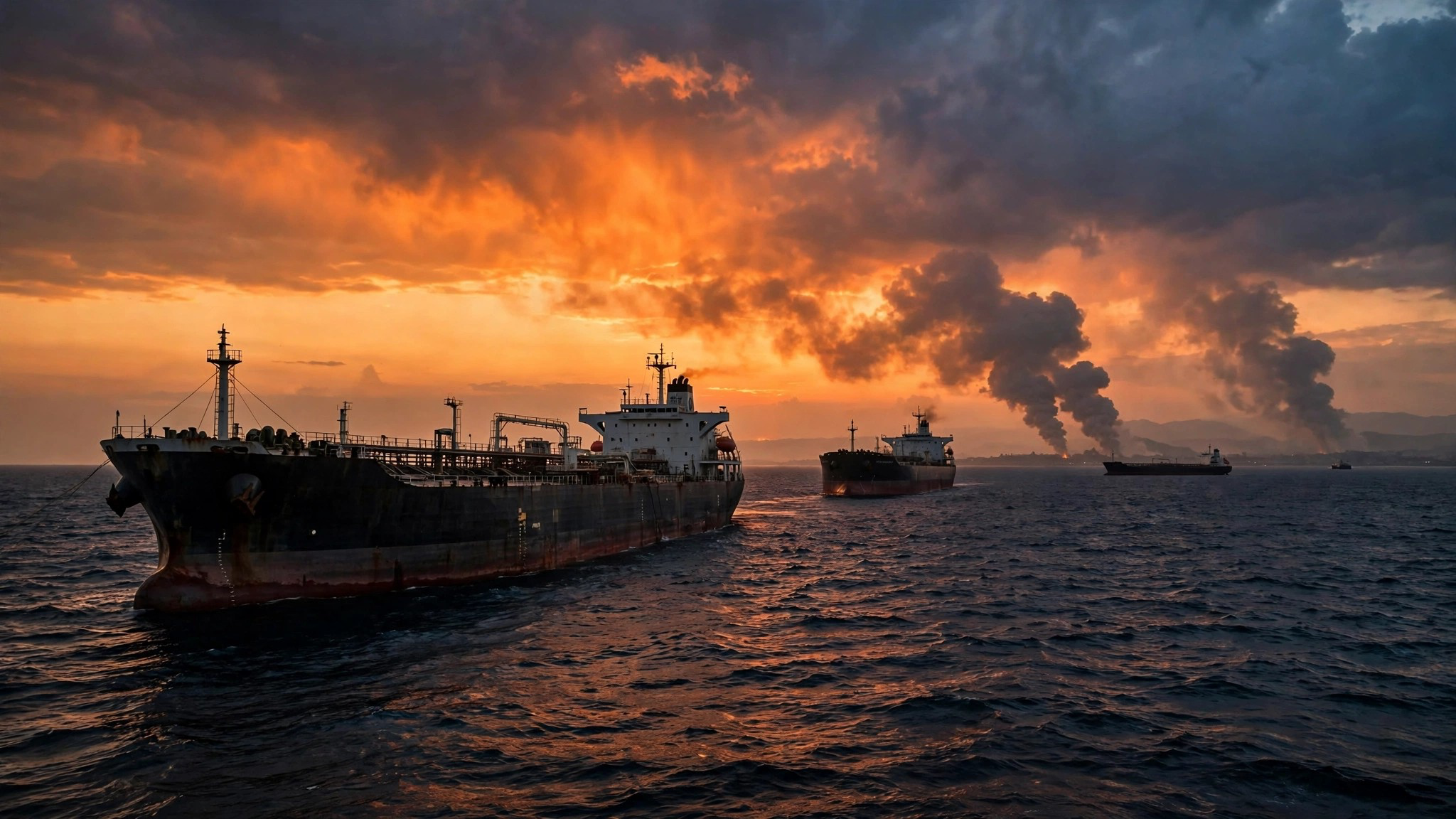
Commercial shipping in and around the strait faced a second, separate danger on Tuesday. The United Kingdom Maritime Trade Operations agency reported that two unidentified projectiles struck a tanker's engine room about 14 nautical miles north-east of Limah, Oman, at 19:00 GMT on Tuesday. No casualties were reported, the tanker was not identified, and the agency's account did not identify where the projectiles came from. Separately, the Revolutionary Guards claimed that four tankers had struck naval mines south of the Strait of Hormuz and caught fire, that the vessels had entered unauthorised shipping lanes with their navigation and identification systems switched off, and that its forces had detained two other vessels. The Guards did not identify the vessels, their flags, their cargoes or the exact location, and there was no immediate independent confirmation of the claims; Al Jazeera reported that the assertions could not be independently verified or linked to the tanker incident reported by the British maritime agency. The distinction matters: two accounts of danger to shipping were circulating on Tuesday, and on the evidence now public neither can be assigned to the other, or to either side.
Oil prices slipped in early Asian trade on Wednesday, Reuters reported, as investors awaited the midterm results and their implications for the talks, despite industry data showing an unexpected fall in US crude inventories. The dip came after prices had eased on Monday on hopes of a diplomatic opening, but remained far above their levels before the war, which began on 28 February when the United States and Israel launched strikes on Iran and Tehran responded by closing the strait. The war has disrupted shipping through the waterway, through which a large share of the world's seaborne oil and liquefied natural gas passed before the conflict, and has driven up prices in the United States — one of the grievances voters carried into Tuesday's midterms. Online, scepticism focused on the language used for the Qeshm operation: a thread in r/worldnews on the US strikes drew more than 1,700 upvotes, with the most-upvoted comment questioning the description of strikes thousands of miles from the United States as "defensive": Reddit discussion, r/worldnews
What happens next depends on the 36-hour exchange Qatar is facilitating, on whether the reported draft memorandum hardens into something both capitals will own, and on whether the strikes and tanker incidents of the past two days are a prelude to a wider campaign or the last friction before a deal. Mr Trump has said the United States has no immediate plan for new strikes, while keeping forces ready, and reports citing American officials have said Washington privately urged regional allies to prepare for possible renewed attacks after the midterms. Tehran, for its part, has warned of an immediate response, unconstrained by geography, to any further attack. For now, the strait remains closed, the blockade remains in place, and the channel that both sides insist is still open has produced no agreement — only a draft, a deadline that may not be a deadline, and a waterway in which tankers are still being hit.