Britain and the EU Strike a Brexit Reset — but Tuition Fees Hold Up the Signature
A decade after the people of Britain voted to leave the European Union, the Prime Minister, Andy Burnham, travelled to Brussels on Friday to sign the biggest change to Britain's relationship with the bloc since it left — a package of deals on youth mobility, food trade and emissions that he says will cut costs, keep prices down in the supermarkets and open the continent to young Britons again. But the summit ended with the signature itself in doubt: the two sides could not agree on university tuition fees for European students, and Brussels gave London six months to settle the row before the deals can be signed at all.
The centrepiece of the package is a youth mobility scheme that restores a limited form of free movement for young people for the first time since Brexit. Under the agreement, about 100,000 young Europeans a year will be allowed to come to Britain to live and work for up to three years, and the same number of young Britons will be able to do the same in the EU. The age limit was raised to 31, from the 30 previously suggested, and the cap itself was set at the EU's demand of 100,000 after Britain had pressed for 80,000. There are restrictions in the small print: young Britons will be limited to working in one EU country, and the EU will divide the total number of visas among its 27 member states largely by population. Mr Burnham, who has called young people Brexit's biggest losers, pitched the scheme as a way of "creating opportunities for young people" — and the European Commission president, Ursula von der Leyen, promised "a summit of ambition and concrete results. More opportunities for young people. Easier agrifood trade. And a stronger cooperation on economic security."
The other two deals reach deep into the economy. An agreement on food and agriculture will scrap the checks and paperwork on British food exports to the EU that have burdened exporters since Brexit — but only if Britain follows some EU rules and standards for the first time since leaving, with new EU laws taking effect in Britain without being approved directly by MPs, and with a clause requiring the UK to repay European countries the cost of reimposing checks if a future government walks away from the deal. An emissions trading agreement will link the two sides' carbon markets. Mr Burnham said the package could add 0.5 per cent to Britain's gross domestic product — up from the 0.4 per cent he had cited earlier — and called it the "single biggest growth intervention in this parliament". "The test for this summit is simple: does it make life better for people in Britain?" he said. "That is what I will deliver in Brussels today — cutting costs, keeping prices down in the supermarkets and creating opportunities for young people."
What stopped the summit from ending in a clean signature was the price of a university place. Brussels is demanding that European students should pay the same tuition fees as domestic students — around £9,970 a year instead of the roughly £38,000 they now pay — and the UK has resisted. The two sides gave themselves six months to reach agreement, and the EU made clear that the food and youth mobility deals would not be signed off until there was agreement on fees, with the several agreements to be signed in parallel. Downing Street, meanwhile, insisted the reset itself was settled — "The deal is done — negotiations have concluded. Now, both sides will work towards implementation of the youth mobility scheme, the SPS deal and the emissions trading scheme," a spokesman said — and that talks would continue only in "some areas". The joint statement setting out what was agreed, and when each measure comes into force, was still to be published when Mr Burnham was due to give a press conference at about 12.30pm.
The politics around the summit were as charged as the negotiations. Mr Burnham has described the gathering — only the second EU-UK summit since Britain became the first country to leave the bloc, and one planned for July before being postponed when his predecessor, Sir Keir Starmer, resigned — as a step towards undoing a decade of damage, saying this week: "The Brexit we were given has not worked. We have lost more than we gained." He has said all options should be on the table for future relations, including rejoining the now-27-nation bloc, breaking a long political code of silence — though he stresses that reversing Brexit is just one possible outcome and far from imminent, needing the backing of British voters and the unanimous support of a mistrustful EU. Reform UK's leader, Nigel Farage, told the BBC: "I'm afraid that the great Brexit debate has just started again," adding that it would "very, very soon" become a debate about whether Britain rejoins or stays out. The European Council president, António Costa, said the two sides' "security and prosperity are closely intertwined", and EU officials pointed to the war in Ukraine and Britain's military strength as reasons to draw closer on security and defence and on restricting irregular migration.
What happens next will be decided in the six months Brussels has allowed for the fees negotiation, and in the months of implementation that follow. Alongside the three deals, Mr Burnham was due to announce a new migration pact, with a structured dialogue between London and Brussels on the Channel Action Plan, action against smuggling networks, returns to third countries and the "pull factors" for irregular migrants. The reset is meant to come into force by the end of the decade, and it carries a review clause to ensure the youth mobility numbers remain broadly proportionate. Whether it becomes the turning point Mr Burnham claims — the moment Britain stopped drifting from its neighbours and started rebuilding the relationship — will depend on whether a row over student fees, of all things, can be settled without unravelling a deal that took a decade to reach. For now, the reset is agreed, announced and celebrated — and unsigned.
- Associated Press via KSFR — The U.K. and EU hold a rare summit to strengthen ties
- The Times — Andy Burnham agrees to 100,000 visas in EU youth mobility scheme
- The Times — UK-EU summit live: Brexit reset 'done deal', but tuition fees delay approval
- PA via Hillingdon Times — Burnham says UK and EU 'stronger together' ahead of deal with Brussels
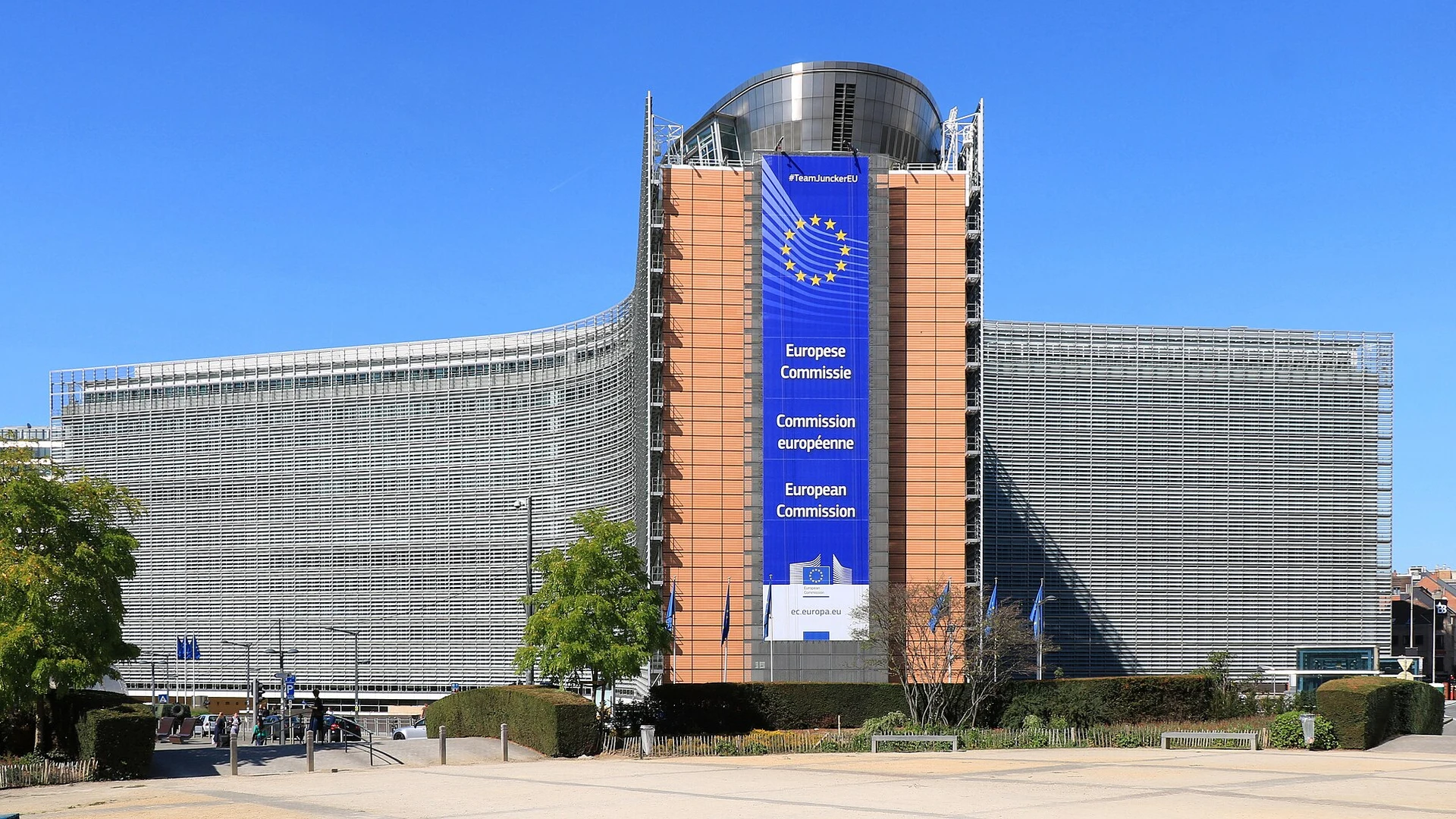
- Cover photo: The Berlaymont building in Brussels, seat of the European Commission. Photographed 14 September 2019 — Photo: EmDee / Wikimedia Commons (CC BY-SA 4.0)