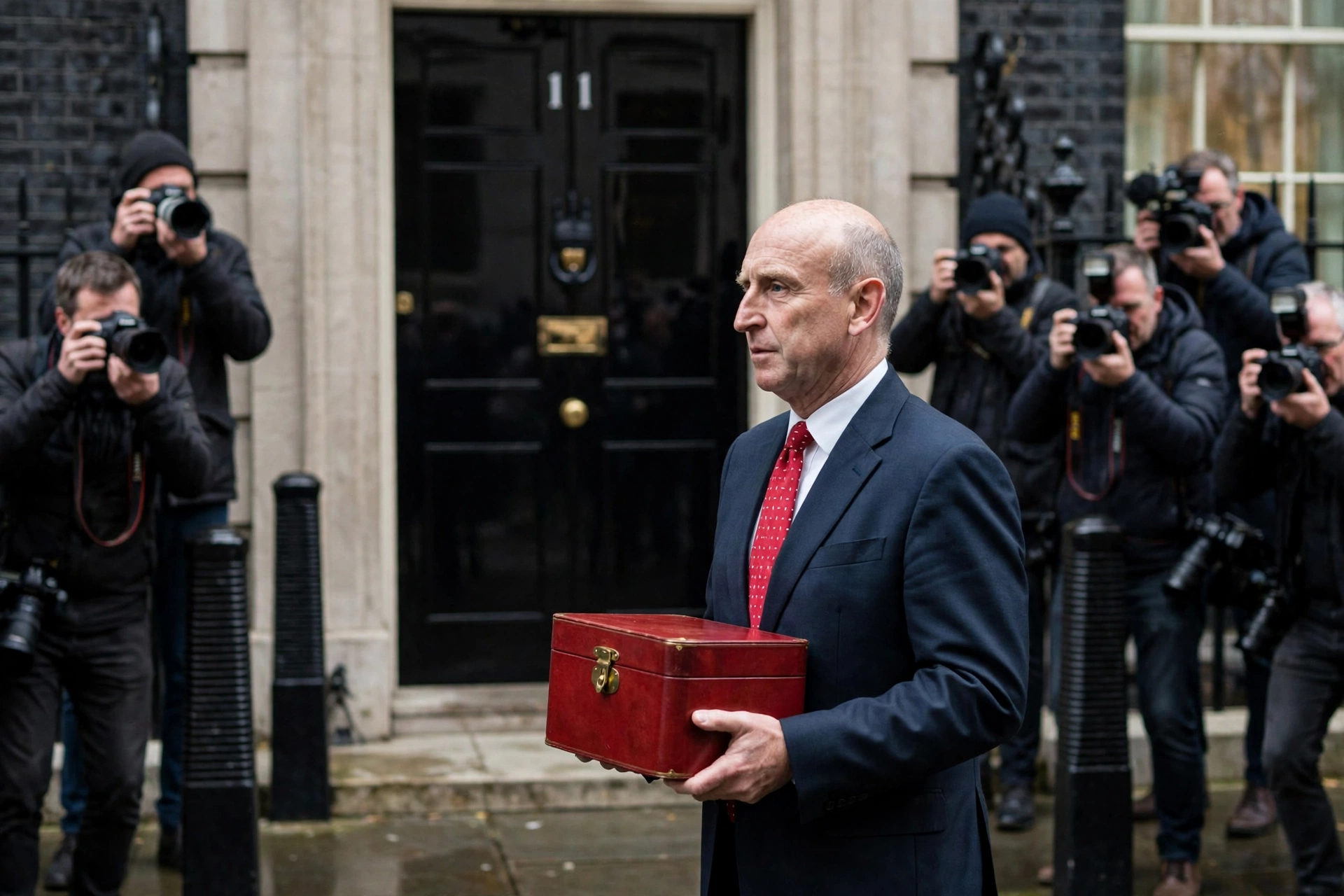
Healey's First Budget Offers Households Breathing Space as Growth Forecast Falls
Chancellor John Healey’s first Budget offers households some relief from rising energy and motoring costs, while the Office for Budget Responsibility (OBR) has lowered its growth forecast for next year. The package includes a £100 Household Energy Payment for up to 20 million households in council tax bands A to D in England, with funding for similar support elsewhere in the UK, and a freeze in fuel duty until July 2027.
The growth outlook has weakened. The OBR forecasts economic growth of 1.0 per cent in 2027, down from 1.6 per cent in its March forecast, after the Middle East conflict pushed up energy costs and borrowing rates. It expects growth of 1.2 per cent in 2026, then 1.6 per cent in 2028, 1.8 per cent in 2029 and 1.7 per cent in 2030. Healey told MPs that the country faced “global economic storms” that it could not wish away.
The energy payment is due from January 2027 and will be delivered through the council tax system. The Budget also extends the temporary VAT cut on domestic electricity until July 2027, which the government says will reduce the annual Ofgem price cap by about £50 in April. Fuel duty will remain frozen until 1 July 2027, when the temporary 5p cut is scheduled to be fully reversed. These are time-limited measures, rather than a permanent reduction in household bills.
The fiscal room for the package has narrowed. The OBR expects the government to pay an average of £14 billion more each year in debt interest than it forecast in the spring. The Budget uses part of the headroom built against the government’s fiscal rule, reducing the margin from £24 billion to £15 billion. Healey said the government would meet its targets and described the buffer as something to use when needed and rebuild when possible.
The Budget raises revenue through measures including a temporary increase in the bank corporation tax surcharge from 3 per cent to 6 per cent, and higher duties on some gambling machines. It also changes the taxation of savings and property income. For small firms, the package includes additional business-rates support. The headline rates of income tax, National Insurance and VAT are unchanged.
On defence, Healey set a target for spending to reach 3 per cent of GDP by 2030, with further detail due in the government’s spending plans. He also announced an additional £10 billion in economic and military support for Ukraine, including £500 million in urgent winter funding for air defence. The government says the wider package includes financing and export-credit measures, so the headline total does not represent £10 billion in immediate cash spending.
The Budget’s immediate test is whether its targeted support can ease pressure on household bills while the economy slows and debt-servicing costs rise. For families, the £100 payment and electricity VAT extension offer limited, defined relief. For businesses, rates support comes alongside higher wage costs, with several measures taking effect in 2027. The OBR’s revised forecast leaves Healey’s first fiscal plan balancing near-term support against a more difficult growth outlook.