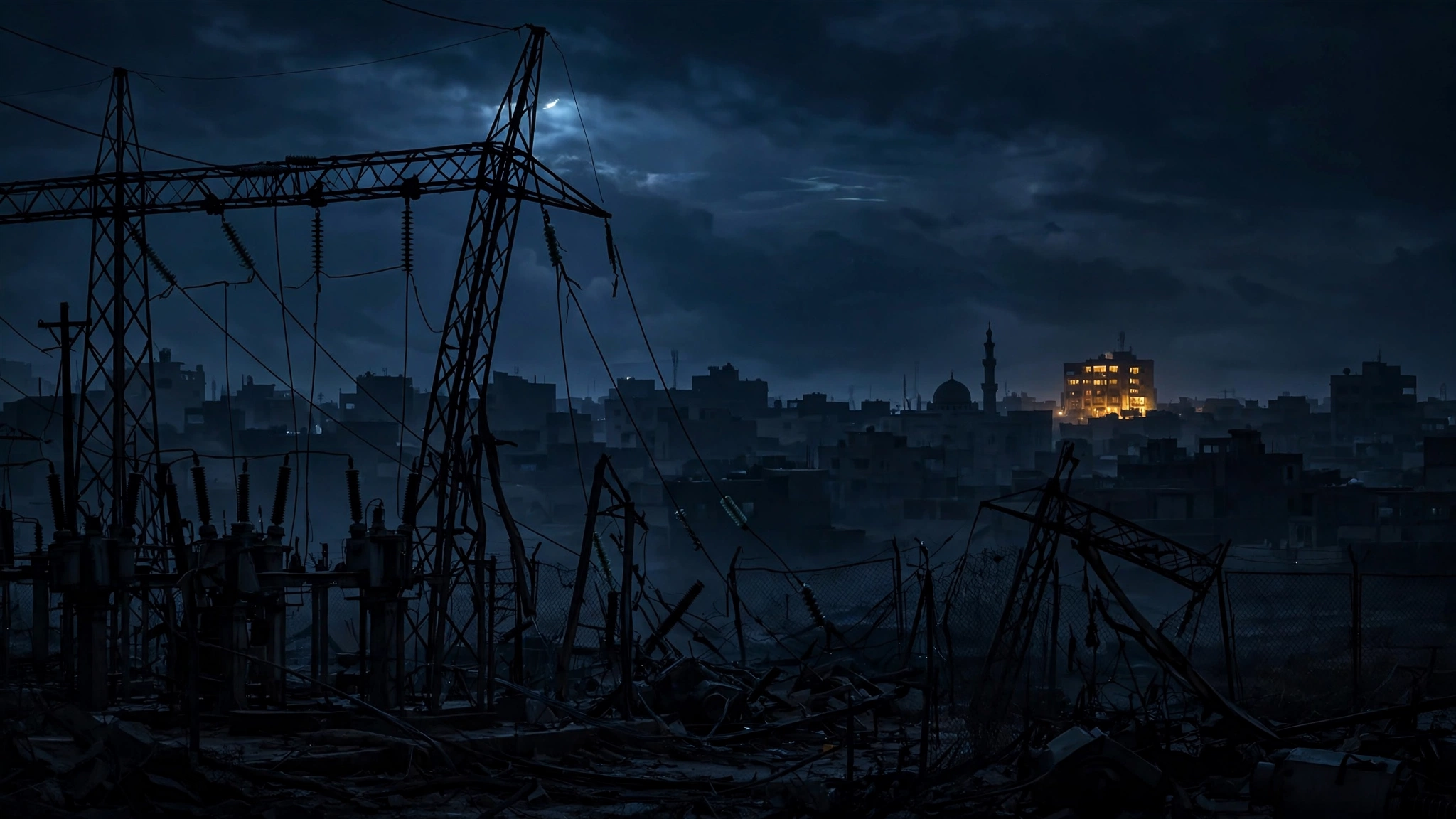
When the Lights Went Out in Southeast Sudan, It Was Not Just Darkness
Large parts of southeastern Sudan lost electricity on Monday, 26 October 2026, after drone strikes damaged power stations, according to the state electricity company. The outages affected several states and raised concerns about the stability of the national grid.
Sudan Electricity Holding Company said five substations were hit: Singa, Al Hawata, Al Fao, Mashkour and Al Junaid. It reported outages in Sennar, Gedaref, White Nile and Gezira states, and said equipment had been badly damaged. Engineering teams were sent to inspect the sites and begin repairs.
The company blamed the Rapid Support Forces (RSF), which have been fighting Sudan’s army since April 2023. The RSF did not immediately respond to a request for comment, and Reuters said it could not independently verify the company’s account. Separately, an unnamed government official told AFP that five stations were struck in Al-Jazira, Gedaref and White Nile; AFP reported an electricity outage in Al-Jazira from around 2 a.m.
For residents, the consequences reached into homes. Babiker Youssef, who lives in Al Fao in Gedaref, told AFP that his diabetic son’s insulin had to be kept in a refrigerator. “We have no idea when the power will come back,” he said, worried the medicine could spoil.
Local authorities in Sennar said the strike on the Singa substation caused material damage and injured members of the facility’s guard team. The electricity company said repair crews were assessing the damage, but had not provided a restoration timetable.
The outages also threaten services that rely on electricity, including hospitals, water pumps and medicine storage. The United Nations has repeatedly warned that attacks on power infrastructure put health and other essential services at risk for millions of people affected by Sudan’s conflict.
Sudan’s war began in April 2023, after the army and the RSF fell out over plans to integrate their forces during a proposed transition to civilian rule. Both sides have increasingly used drones. Reuters reported further strikes this month on Nyala, held by the RSF, and Khartoum airport, held by the army.
Power in a war is more than a utility: it keeps medicine cold, lights operating rooms, runs water pumps and lets families charge phones to reach one another. Engineers may restore the grid. For people living through the blackout, the harder question is whether essential services can be protected from the next strike.