France Offered Its Students Billions. They Said: Not Enough.
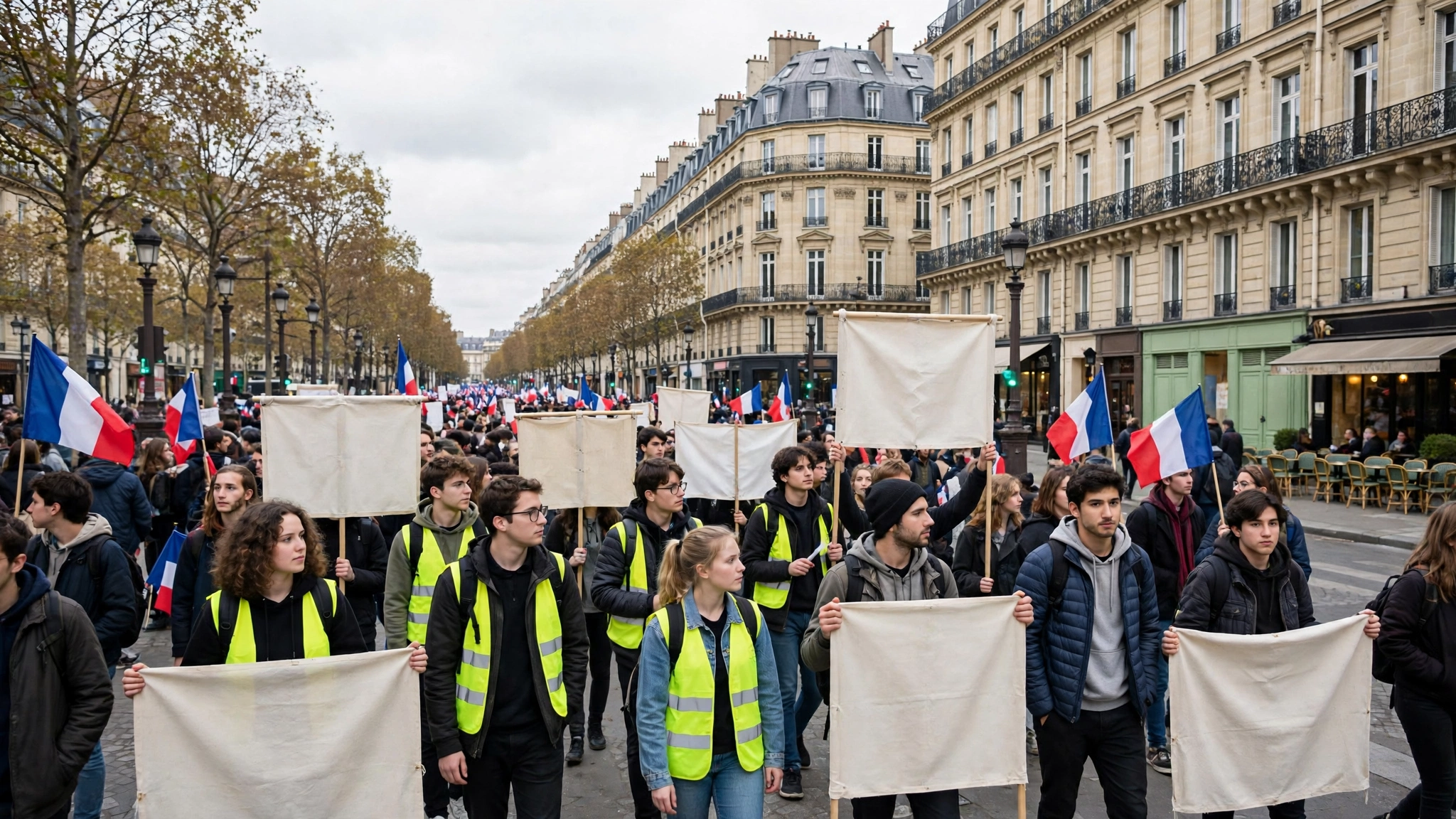
France’s government announced a broad education package on Monday, 26 October, after weeks of school blockades and demonstrations. By Tuesday, teachers’ representatives were saying the measures did not go far enough, while student leaders said they would continue mobilising.
The proposals include capping some first-year high-school classes at 28 pupils, starting in more disadvantaged areas, and offering regional authorities €4 billion in loans to renovate schools. The government also plans to revise Parcoursup, the university admissions platform criticised by students, with a new system expected to replace it in 2028.
The plan also includes €1 billion for university campuses by 2029, additional student grants adjusted for inflation, and 15,000 more places in higher education. Education Minister Édouard Geffray said the government needed to reduce pressure across the education system.
Sophie Vénétitay, head of the teachers’ union SNES-FSU, argued that class-size limits should cover more schools and that more staff were needed to improve learning conditions. She described the announcement as only an initial response, not a resolution of the dispute.
Student representatives also welcomed movement from the government while saying their demands remained unmet. Louis Letoublon, representing high-school students, said after meeting officials that demonstrations would continue. Student groups have called for further action on Saturday, 31 October, and 5 November.
The protest movement began with high-school blockades over staff shortages and deteriorating school facilities. It has since drawn in broader labour groups and Yellow Vest activists, linking education grievances to concerns about public services and the cost of living.
The government faces pressure to respond while trying to contain public spending. Reuters reported that France’s debt is approaching 120% of GDP and that the minority government has limited room to fund new commitments. Any additional measures will be weighed against its budget constraints.
The unrest also comes months before France’s 2027 presidential election. The Associated Press has reported that far-right leader Marine Le Pen is polling as a frontrunner for the first round; that is a snapshot of current polling, not a prediction of the result.
For the government, the challenge is to improve schools without worsening the fiscal squeeze or deepening public anger. For students and teachers, the package has not yet answered the central questions of class sizes, staffing and the condition of their schools.
- Reuters via MarketScreener — teachers say education measures fall short
- Reuters via Investing.com — student protesters seek more concessions
- Associated Press — government plans to replace university admissions system
- The Guardian — protest leaders urge pupils to continue demonstrations
- Associated Press — political impact of the protests