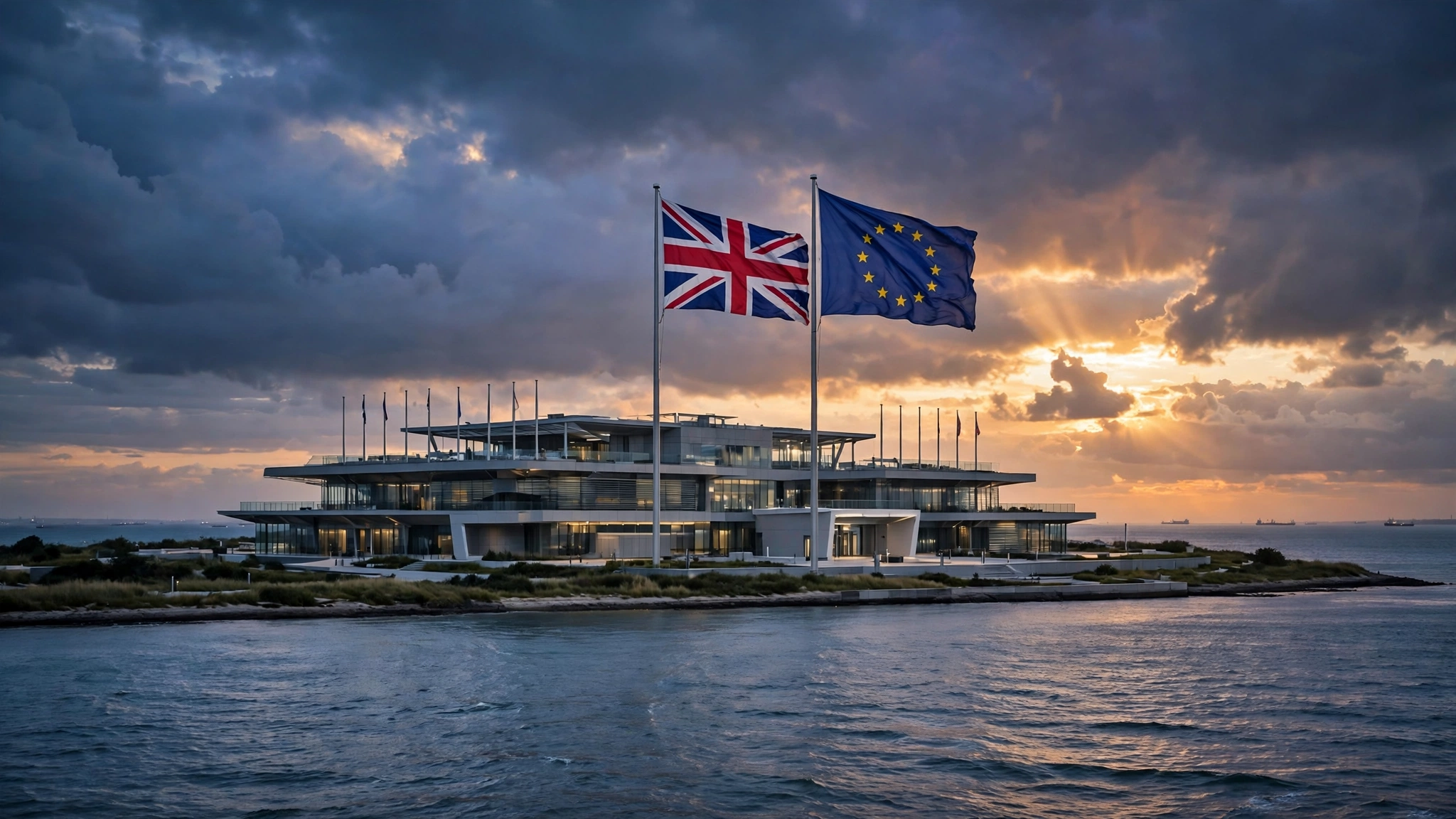
Is Britain Quietly Reopening the Brexit Debate? The Free Movement Question Returns
On Tuesday, 27 October 2026, free movement returned to Britain’s political debate. Business Secretary Jonathan Reynolds told the BBC that UK and EU officials would discuss possible options for the long-term relationship, including the question of movement between the two sides.
Reynolds stressed that this was an exploration, not a policy announcement. No assumptions had been made about the eventual relationship, he said, and the British public would have a say in any decision. The government has not specified how that public decision would be made.
The immediate priority is narrower. Ahead of the UK–EU summit in Brussels on 20 November, the government is pursuing practical agreements on food and drink trade, youth mobility and linking emissions trading systems. A youth mobility scheme would allow limited, temporary stays under terms still to be negotiated; it would not restore general freedom of movement.
Prime Minister Andy Burnham has called for an “honest discussion” about the UK’s long-term relationship with Europe. Downing Street has since clarified that he is not proposing a return to free movement or putting forward a specific option now. The prime minister says the current Labour manifesto red lines remain in place for this parliamentary term, which is due to end by 2029.
The distinction matters: reopening a conversation about possible future arrangements does not mean a change is imminent. The next general election is due by 2029, and ministers have said any major change would require voters’ consent. The exact route from discussion to a public mandate has not been set out.
For supporters of closer ties, the case is practical: fewer barriers for food businesses, cooperation on emissions and temporary opportunities for young people could ease some post-Brexit friction. Critics argue that reopening questions voters thought settled could undermine trust, especially in constituencies where Brexit remains politically sensitive.
The November summit will focus on the specific agreements currently being negotiated. Free movement is not listed among those immediate deals. But the wider debate now sits alongside them: how far Britain wants to move closer to the EU, and what trade-offs voters would accept.