Houthis Hit Saudi Arabia's Jazan Refinery, Killing One Worker, in Second Strike in Two Days
A hostile aerial projectile struck Saudi Aramco's Jazan oil refinery on Thursday, killing a Nepalese worker and injuring several other people, Saudi Arabia's Energy Ministry said, in the second major attack on Saudi oil infrastructure in two days. The strike started a fire at the facility on the kingdom's Red Sea coast and forced a temporary halt to some of its operations, the ministry said. The Saudi-led coalition fighting Yemen's Houthis said the Iranian-backed group had carried out the attack, and warned that strikes on civilians and civilian infrastructure would be met with a firm military response.
The Energy Ministry said the worker who died was Nepalese, while the injured were of various nationalities, with injuries of varying severity, and were receiving medical care. The fire has since been brought under control, and emergency teams and specialist technical crews responded immediately, with work under way to assess the damage and verify the safety of the facilities, the ministry said. The refinery, in the southwestern city of Jazan near the Yemeni border, is designed to process up to 400,000 barrels of crude oil a day and produces fuels including gasoline and ultralow-sulfur diesel.
The coalition said its forces had later destroyed a ballistic missile launch platform in the Yemeni port city of Hodeidah, which it said the Houthis had used to stage the attack on the refinery. Coalition spokesman Maj. Gen. Turki al-Maliki announced the strike on X and said the coalition would respond firmly to attacks on civilians and civilian facilities. There was no immediate claim of responsibility from the Houthis themselves; the attribution came from the coalition and the Saudi government.
The strike came a day after the Houthis claimed to have hit Ras Tanura, Saudi Arabia's biggest refinery and one of the world's largest crude export terminals, as well as the Red Sea ports of Jeddah and Jazan. The coalition said on Wednesday that its air defences had intercepted and destroyed four drones over Ras Tanura and a drone near Jeddah Islamic Port. Houthi military spokesman Yahya Saree said the Ras Tanura strike was "accurate and direct" and had caused a fire at the facility, and satellite imagery showed thick black smoke over the complex. Brent crude, which jumped 3.5 percent to $94.61 a barrel on Wednesday, rose further on Thursday to about $96.25, as traders priced in the risk to Gulf oil supplies. Prediction markets gave little chance of a quick end to the fighting: on Polymarket, the chance of a Saudi-Houthi ceasefire agreement stood at 6.5%.
The Jazan plant has been struck before. An attack in late July damaged its power complex and tank farm and forced Aramco to shut the refinery, and the plant was hit again in September, according to energy and shipping reports at the time. The Houthis, who control much of western Yemen including the capital Sanaa, have been firing at Saudi airports, oil infrastructure and office buildings since Yemen's frozen civil war reignited in July, in a spillover from the US-Iran war. The attacks have previously disrupted some of Aramco's operations, cancelled most international flights to Riyadh and forced Saudi Arabia to postpone major events.
What happens next will turn on whether Riyadh's threatened retaliation lands quickly — the coalition has already answered with the Hodeidah launch-platform strike — and on whether the Houthis keep up the pace of one major Saudi energy target a day. For Saudi Arabia, the second refinery hit in 48 hours is a demonstration that its most valuable infrastructure can be reached despite its air defences. For oil markets, the question is no longer whether the campaign will touch supply, but how much of the kingdom's refining capacity the Houthis can keep offline, and for how long.
- CNN — Houthis strike Saudi oil infrastructure as Riyadh intensifies attacks on Yemen
- Reuters — Saudi-led coalition says Houthis attacked Aramco's Jazan refinery
- The Wall Street Journal — Iranian Drone Attack Kills Two Italians in Kuwait
- QNA via Fana News — Saudi Energy Ministry: One Dead, Several Injured in Attack on Jazan Refinery
- Strategic Energy Map — Aramco Jazan refinery
- Polymarket — Saudi-Houthi ceasefire agreement announced by...?
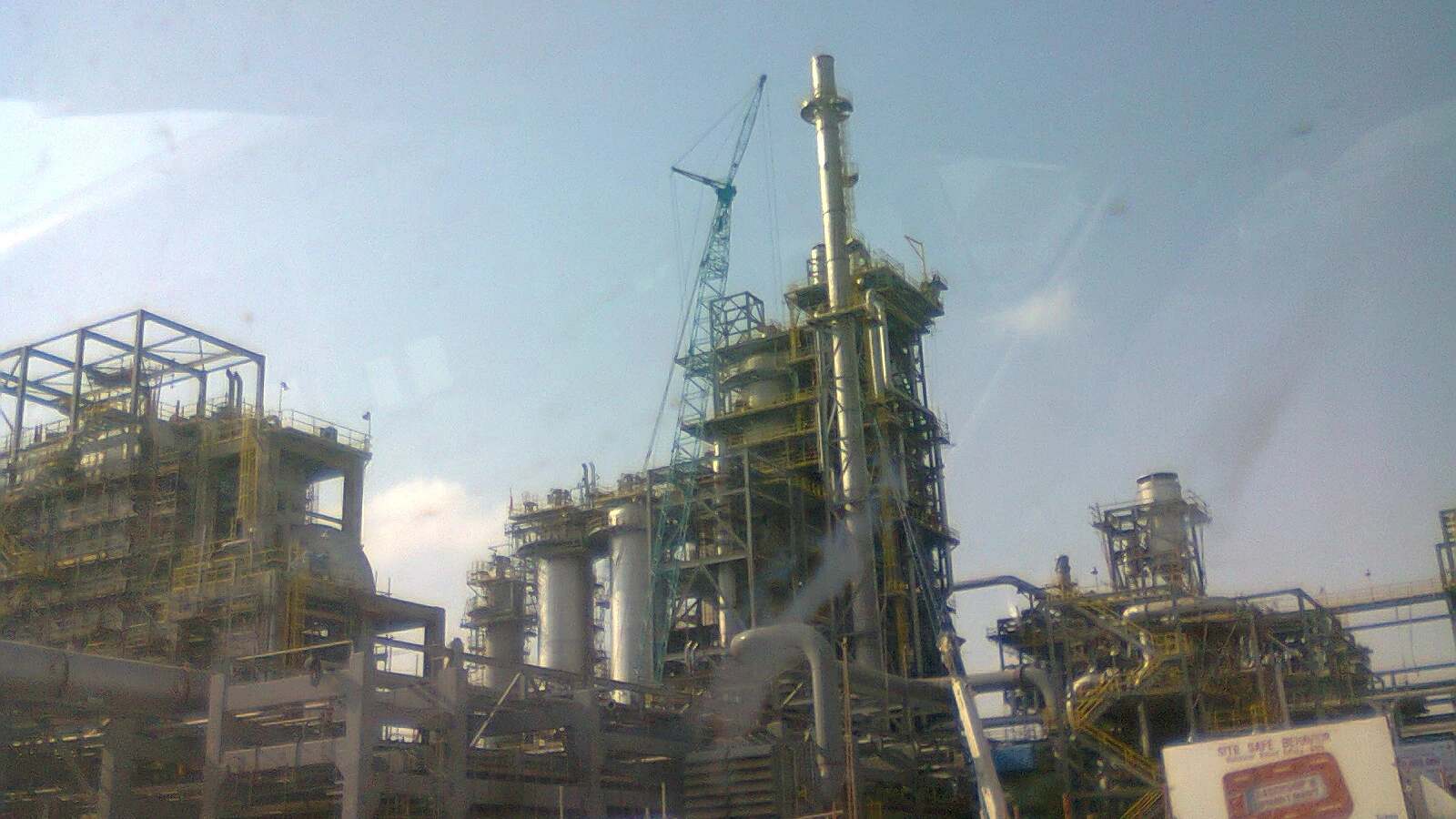
- Cover photo: The Satorp refinery in Jubail, Saudi Arabia — not the Jazan plant; archival photo — Photo: Suresh Babunair / Wikimedia Commons (CC BY 3.0)