Iranian Drone Attack on Kuwait Kills Two Italian Technicians Maintaining Air-Defence Radar
Iranian drones struck an air-defence detection station in Kuwait on Thursday, killing two Italian technicians and injuring two other people, in an attack Tehran has flatly denied. Kuwait's Defence Ministry said the drones were detected and dealt with in Kuwaiti airspace, but falling debris caused material damage at what it called a "vital facility". Italy's foreign minister, Antonio Tajani, told the Senate that the two Italians — both working for the defence company Rheinmetall Italia — had died, and that a Pakistani national and a captain in the Kuwaiti army were injured.
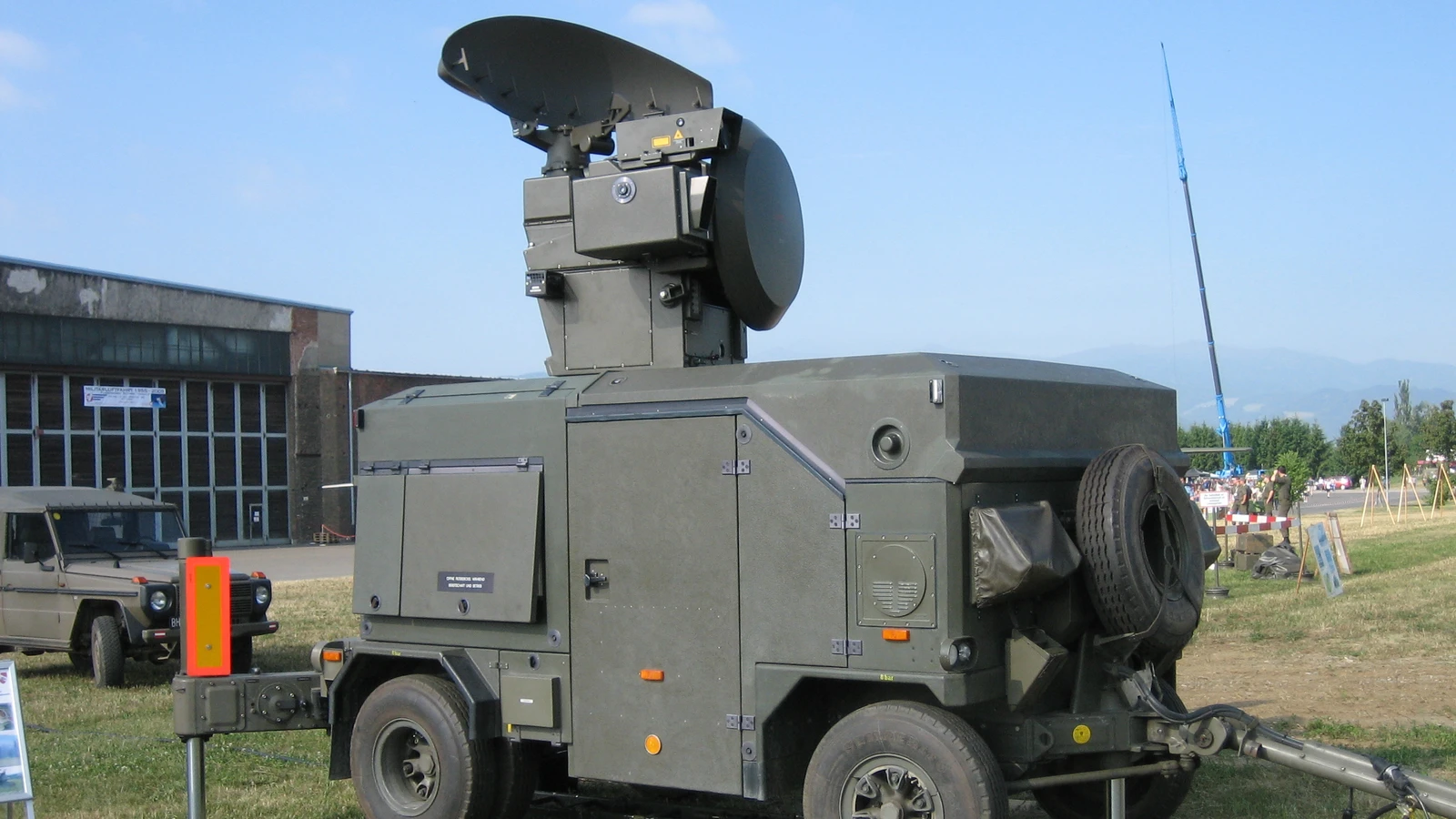
The two technicians were maintaining detection antennas for the Skyguard air-defence system used by Kuwait's military, according to the Italian foreign ministry, placing foreign contractors directly at the centre of a conflict that has been widening across the Gulf. Tajani said: "Following a powerful explosion, both of our compatriots, according to information coming from Kuwait, have died. Two other people were injured: a Pakistani national and a captain in the Kuwaiti army." Kuwait's ministry initially reported four people wounded before confirming the two deaths, and extended its "deepest condolences to the families of the deceased". The injured were taken to hospital.
Iran denied any involvement. Brigadier General Abolfazl Shekarchi, a spokesman for Iran's armed forces, said: "No military or offensive operations whatsoever have been conducted by the Armed Forces of the Islamic Republic of Iran in the region." He described the incident as a "false flag" aimed at escalating insecurity in the region. Iran's foreign ministry did not immediately respond to requests for comment, and Rheinmetall declined to comment.
Italy's leaders responded with grief and anger. Prime Minister Giorgia Meloni offered her "deepest sympathy" and "heartfelt condolences", while Tajani expressed "my deepest sympathy and solidarity to the families of the Italian victims at this time of profound grief". Israel's foreign minister, Gideon Sa'ar, said the attack showed that Iran's "unchecked aggression threatens stability and security in the Middle East and beyond" — a reminder that the strike, though aimed at Kuwait, is being read across the region as a test of how far Tehran's campaign will reach.
The attack is the second reported Iranian strike on Kuwait this month. Earlier in November, Iran said it had targeted US drone and missile sites in Kuwait after the United States struck Qeshm Island in the Strait of Hormuz, and Bahrain said on Sunday that an Iranian attack injured at least two people. Iran says it is targeting American targets in the region in retaliation for US attacks on Iranian sites — but Thursday's strike hit a Kuwaiti military installation, not an American base, and its victims were civilian contractors. Prediction markets moved sharply after the news: on Polymarket, the chance of Iran targeting Kuwait stood at 81%, up sharply on the day.
The deaths raise the stakes of a campaign that has already forced Gulf states to weigh the cost of hosting American forces against the risk of becoming targets themselves. For Italy, the loss of two citizens working on a routine maintenance contract will bring demands in parliament for answers about the safety of Italians employed on defence projects across the Gulf. For Kuwait, the attack on its own air-defence network — the very system meant to protect it — is a demonstration that its defences can be hit. What happens next will turn on whether Rome and Kuwait City treat the strike as a one-off tragedy or as the opening of a new front, and on whether Tehran's denial holds up against the evidence Kuwait says it has.
- Reuters — Two Italians killed in Iranian drone attack in Kuwait, Italy says
- CNN — Two Italians killed after Iranian attack in Kuwait, Italy says
- The Wall Street Journal — Iranian Drone Attack Kills Two Italians in Kuwait
- Polymarket — Will Iran target Kuwait?
- Cover photo: An Oerlikon Contraves Skyguard radar of the Austrian Air Force, photographed 24 June 2005 — Photo: Markus Gattringer / Wikimedia Commons (CC BY-SA 3.0)