Moscow Comes Under Mass Drone Attack as Ukraine Warns of Missile Shortage
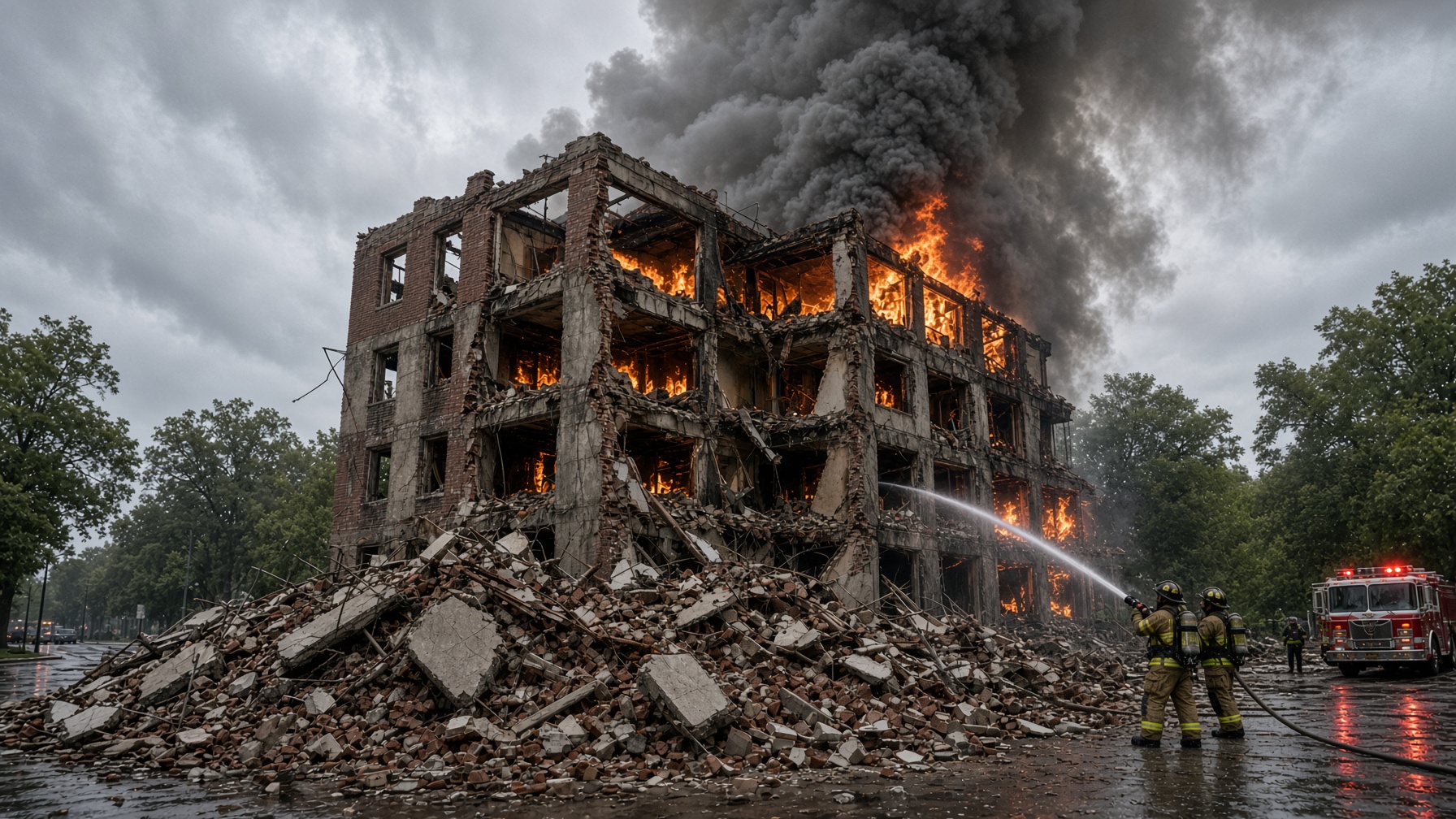
Russian authorities reported a large overnight drone attack on Moscow and the surrounding region on October 28–29, while Ukraine’s president renewed his appeal for more air-defence missiles. Moscow Mayor Sergei Sobyanin said 613 drones had been launched toward the capital and 231 were intercepted as they approached. Separately, Russia’s Defence Ministry said its forces had downed 1,214 Ukrainian drones nationwide, with about half reportedly heading toward Moscow. The figures are Russian official claims and have not been independently verified.
The attack disrupted air traffic around Moscow. Russia’s aviation authority restricted flights at Vnukovo, Domodedovo and Zhukovsky airports, and two flights from Turkey reportedly turned back. Moscow officials reported no casualties or damage as of Thursday morning. Ukraine had not publicly claimed responsibility for the operation in the reports available at that time.
The overnight operation came amid continued exchanges of long-range strikes. The Associated Press reported that Ukraine said Russia had launched 112 drones at locations across the country, while a Russian drone strike on Kharkiv wounded five people and set several buildings alight, according to Ukrainian emergency officials. Each side’s battlefield and casualty accounts remain subject to independent verification.
President Volodymyr Zelenskyy used a briefing on Tuesday to highlight what he called Ukraine’s most urgent air-defence shortage: Patriot interceptor missiles. He said Ukraine was receiving an average of 12 missiles a month from the United States in 2026, or about 150 a year, while Ukraine needed to intercept around 150 Russian ballistic missiles each month. Those figures are Zelenskyy’s estimates, reported by the Kyiv Independent and the Associated Press.
Zelenskyy said European partners had agreed to provide additional interceptors from their own stockpiles, but that transfers required approval from Washington. He urged allies to move faster through supply channels including NATO’s Prioritised Ukraine Requirements List (PURL), warning that delays were bringing further destruction and loss of life. The shortage is particularly pressing as winter approaches and attacks on energy infrastructure typically intensify.
Diplomatic efforts are proceeding alongside the air war. A local ceasefire around Russian-occupied Oleshky, arranged to allow a humanitarian mission, had held for 54 hours without reported violations by Thursday, according to the Ukrainian and Russian ombudsmen. Aid deliveries were expected to begin on Friday as engineers cleared mines from access routes. The pause is limited to the area around Oleshky; fighting continued elsewhere.
A wider round of talks involving Ukraine, Russia and the United States has no confirmed date. Zelenskyy said he hoped the meeting could take place in Abu Dhabi between November 6 and 10, but Washington had not confirmed a schedule. Kremlin aide Yuri Ushakov said the timing would depend on the battlefield and the situation in the Middle East. He also said European representatives would not be invited, according to the Associated Press.
Ukraine now faces two linked tests: securing enough interceptors to protect cities and infrastructure through winter, and turning tentative diplomatic contacts into a sustained negotiation. The Moscow attack highlights Kyiv’s capacity to reach deep into Russian territory, but the official figures remain unverified and do not by themselves alter the broader balance of the war.