Three Leaders, One Room: Trump, Xi and Putin to Meet in Shenzhen as Nuclear Arms Top the Agenda
The leaders of the United States, China and Russia will sit down together on Thursday in Shenzhen, in the first face-to-face meeting of the three heads of state — a summit that brings the world's three great powers into one room at a moment when nuclear arms, the war in Ukraine and the conflict with Iran are all unresolved. The meeting will take place on the sidelines of the Asia-Pacific Economic Cooperation summit, which China is hosting in the southern city on 18 and 19 November, its first time hosting the gathering since 2014. China's foreign ministry said on Monday that the trilateral meeting would be of "groundbreaking significance" and would help promote world peace and stability. Its spokeswoman, Mao Ning, said it would mark the first face-to-face meeting among the heads of state of China, Russia and the United States.
President Donald Trump will use the meeting to raise efforts to reduce nuclear arms, the White House said last week. That ambition faces an immediate obstacle: China has rebuffed attempts to draw it into nuclear-arms talks with the United States and Russia, the two countries with by far the largest stockpiles of such weapons. American officials have been careful to lower expectations, describing the session as an initial discussion on arms control that could lead to follow-up talks rather than a negotiation expected to produce an agreement. Mr Trump is also expected to raise the war with Iran, according to reports of the American agenda, while Moscow wants Ukraine discussed — though a United States official has said Mr Trump is unlikely to raise it.
The format itself has become part of the story. The meeting has prompted comparisons with the 1945 Yalta conference, at which the wartime Soviet, British and American leaders set out spheres of influence for post-war Europe — and with them, unease about a great-power bargain struck over the heads of smaller countries. The Kremlin moved on Monday to dismiss the parallel. "These are the games of political scientists and have nothing to do with reality," spokesman Dmitry Peskov said, adding that Russia and China stood for a "multi-polar world order" with no decisions imposed on other nations. He described the forthcoming talks as "a very important meeting and there has not been anything like it", and said part of it would be open to the media. Notably absent from the room will be Volodymyr Zelensky, whose country is the subject of the war Moscow wants discussed.
Mr Trump arrives in Asia with the Ukraine diplomacy he has been driving still in motion. On Monday, Ukrainian officials held fresh online talks with his envoys, Steve Witkoff and Jared Kushner, and with European representatives, hours before Russian strikes hit two bridges in Kyiv. Mr Kushner said Washington was making progress towards an agreement, while Moscow disputed that Europe had been invited to join the next round. The Shenzhen meeting will not settle that argument, but it will put Mr Trump in the same room as Vladimir Putin for the first time since the peace effort began — and with Xi Jinping, whose country has become Russia's most important economic partner since the full-scale invasion of Ukraine.
The summit also has a business dimension. Executives from major Chinese and American companies — including BYD, Baidu, Boeing and Google — are due to attend the APEC gathering, a reminder that the leaders' meeting sits inside a wider contest over trade, technology and supply chains. That contest is sharpening: on Monday, Washington tightened its controls on advanced artificial-intelligence chips, closing a loophole that had let Chinese firms rent American computing power from data centres abroad. Mr Trump is also due to hold a separate bilateral meeting and working lunch with Mr Xi on Thursday afternoon; no separate meeting with Mr Putin has been scheduled.
What happens on Thursday will be judged less by what is agreed — officials on all sides say little is expected — than by what it signals. If the three leaders can talk about nuclear weapons without a rupture, the meeting may become the start of a longer arms-control conversation, the first of its kind to include China as an equal participant. If it breaks down, or if Ukraine's absence becomes the story, it will confirm the fear that has shadowed the summit since it was announced: that three leaders can meet, and the wars they are supposed to be discussing can carry on without them.
- Reuters — Chinese, US business leaders to attend APEC summit in Shenzhen
- Reuters — Kremlin dismisses comparisons between trilateral meeting and Yalta conference
- Reuters — Kremlin aide denies Russia agreed to include Europe in Ukraine peace talks
- Reuters — US envoy Kushner says making progress on Ukraine deal
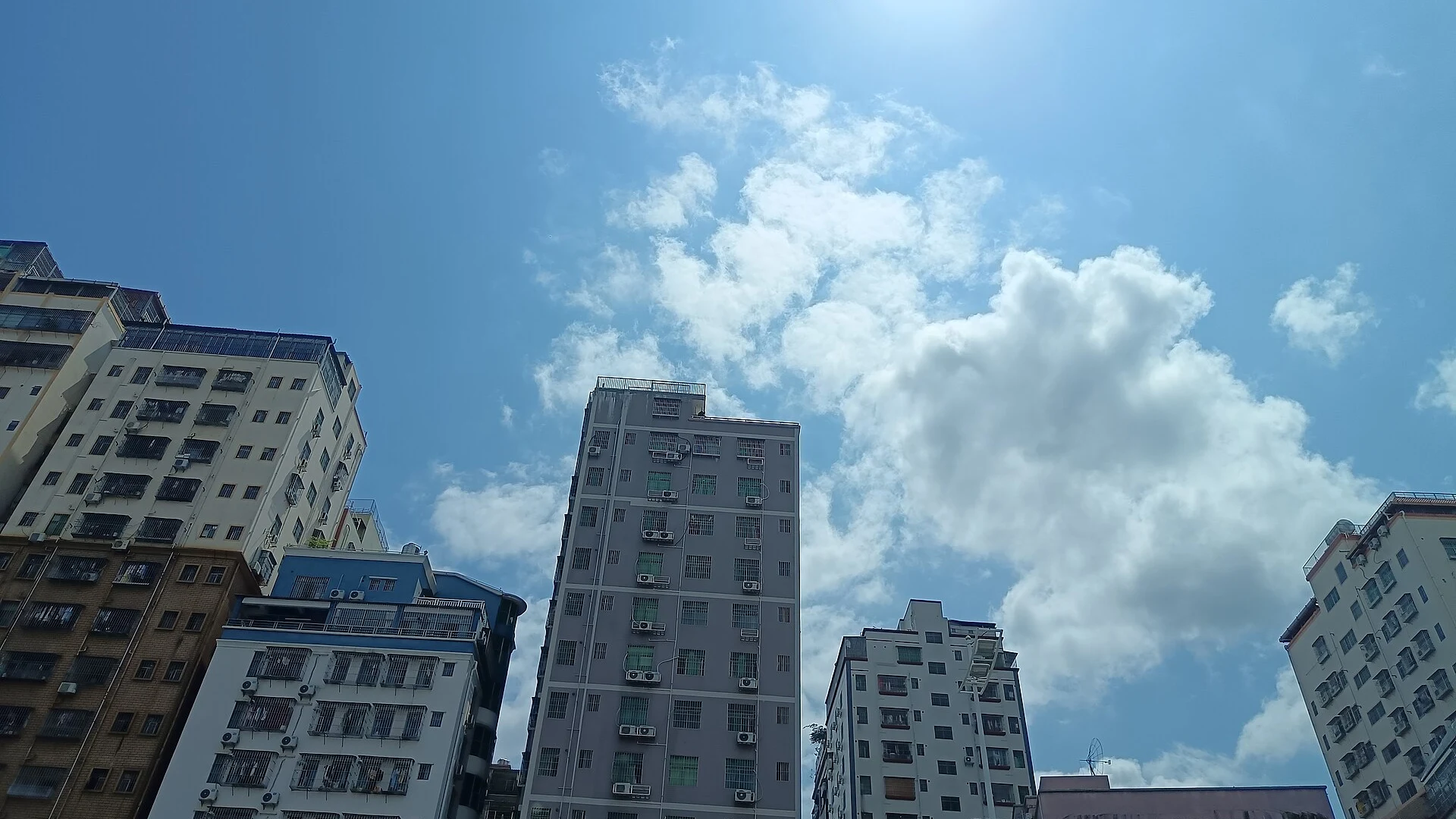
- Cover photo: Shenzhen skyline, photographed 27 March 2025 — this is not a photo of the November 2026 summit — Photo: Fumikas Sagisavas / Wikimedia Commons (CC0)