Iran-US Doha Talks End Without Deal, but Follow-Up Remains Possible
Indirect talks between Iran and the United States, mediated by Qatar, ended on Sunday without an agreement — but not, officials insisted, without a future. Iranian negotiators left Doha after three days of discussions aimed at ending an eight-month war that has disrupted shipping through the Strait of Hormuz, tightened energy markets and raised fears of renewed military action. A draft proposal is being circulated and a follow-up meeting remains possible, an official briefed on the talks told Reuters on Monday, adding that the delegation's departure on Sunday was not because of difficulties in the negotiations. Messages were still being exchanged through Qatari intermediaries, Iran's Foreign Ministry said, and Qatari mediators flew to Tehran on Monday night to discuss a version of the draft deal. No accord was announced, and the fundamental gap between the two sides appeared unchanged. But the channel, for now, is still open.
At the centre of the talks is a seven-step plan Iran drew up in September. Under it, the United States would end its naval blockade of Iranian ports, Iran would reopen the Strait of Hormuz, Washington would grant a waiver allowing Iranian oil sales and cancel new sanctions, and only then would wider talks begin. Tehran has now suggested the sequence could be compressed: Foreign Minister Abbas Araghchi said, as quoted by Al Jazeera on Saturday and reported by Reuters, that under a deal the strait could be opened within a two-day timeline rather than the seven days originally envisaged. "Our demands have been articulated very clearly and transparently," Foreign Ministry spokesperson Esmaeil Baghaei said. "No final agreement can be initiated, nor can the Strait of Hormuz be reopened or secured, unless the US naval blockade is brought to an end, Iran's demands are respected, and Iran's legitimate requirements are addressed." Iran, Mr Baghaei confirmed, will not resume nuclear discussions until it has verified that its conditions have been met, and has not agreed to transfer its stockpile of highly enriched uranium abroad. Washington, by contrast, has pressed for nuclear issues to be addressed from the outset; Mr Trump rejected Iran's initial proposal when it was first presented in September.
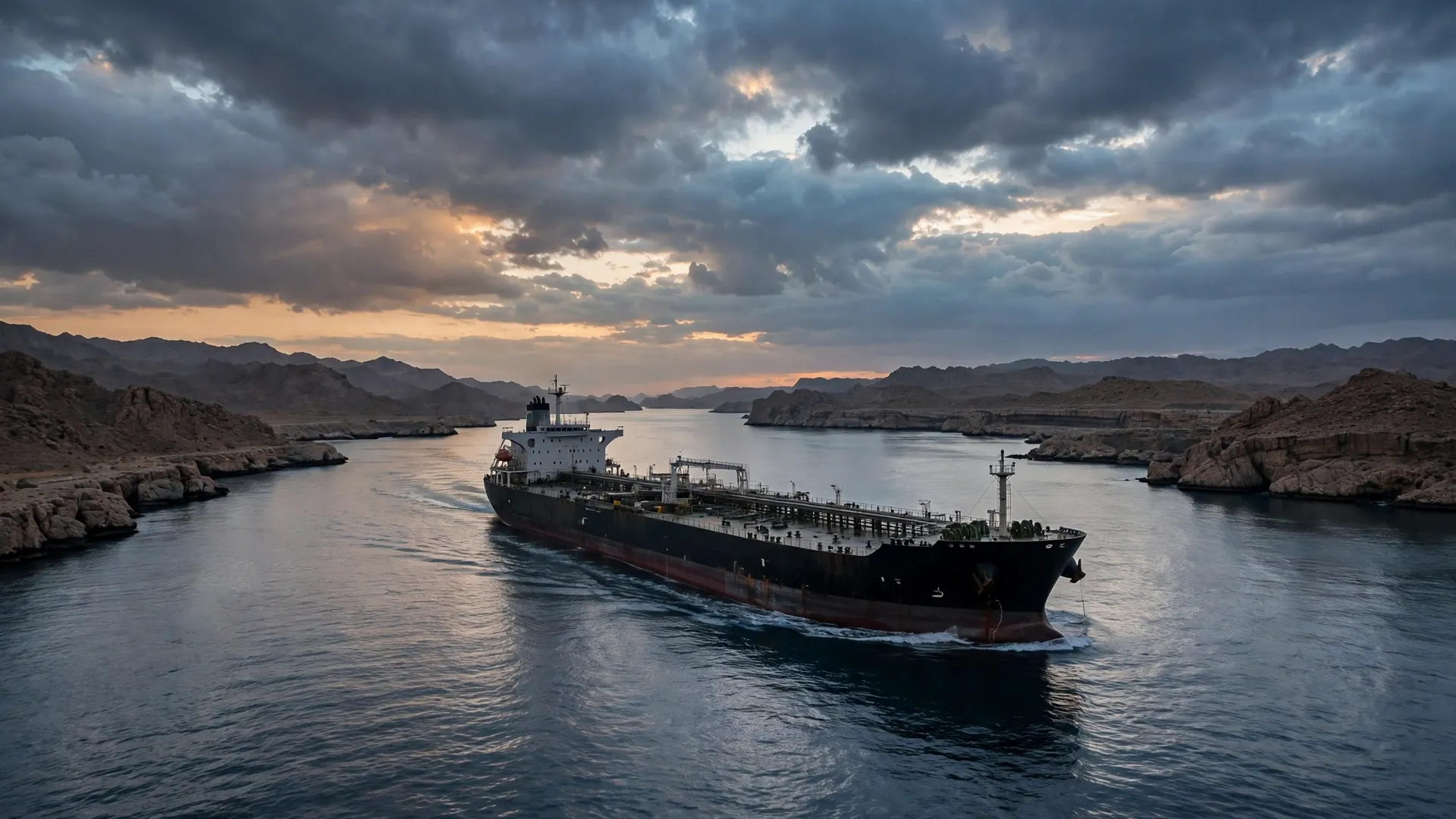
The stakes of failure are measured in oil, shipping and the threat of a wider war. The conflict erupted on 28 February, when the United States and Israel launched strikes on Iran; Tehran responded by closing the Strait of Hormuz, the narrow waterway between Iran and Oman through which a large share of the world's seaborne oil and liquefied natural gas passes, prompting an American blockade of Iranian ports. Since then, shipping through the strait has remained disrupted. UK Maritime Trade Operations reported that a vessel was hit by an unidentified projectile in the strait on Sunday, two days after an attack on a Qatari gas tanker, according to reporting of the incidents, although attribution for either attack has not been established. Oil prices eased on Monday on hopes of a diplomatic opening — Brent crude declined about 2 per cent to $111.20 a barrel and West Texas Intermediate fell 2.3 per cent to $101.70, according to market reporting on Monday morning — but remained far above their levels before the war, and Gulf states, whose energy infrastructure would be exposed in any renewed fighting, have pressed hard for de-escalation. The United Arab Emirates' presidential adviser Anwar Gargash told a security conference in Bahrain on Sunday that the region could not afford another round of war, while Egypt's foreign minister warned that renewed fighting would be more destructive without addressing the underlying crisis.
Hanging over the diplomacy is the calendar. Mr Trump has said the United States would not launch new attacks on Iran before Tuesday's midterm elections and that talks with Tehran have been productive, although he has not ruled out further military action. Reports citing American officials said Washington had privately urged regional allies to prepare for possible renewed attacks after the midterms, as well as potential Iranian retaliation against energy infrastructure, and Axios reported that Israeli Prime Minister Benjamin Netanyahu — whose right-wing bloc did not secure a parliamentary majority in Israel's recent election — was pressing Mr Trump to launch strikes immediately after the vote, while the president wanted to allow negotiations to continue. Tehran, for its part, has warned that it would respond aggressively to any resumed attack, with Iranian sources telling Reuters they still regard a fresh American assault as more likely than an agreement, and officials saying the military has been instructed to prepare for retaliation.
The mediation itself has been a study in indirect contact. The Doha discussions were facilitated by Qatar and Pakistan, with Iran's negotiators exchanging messages with Washington through Qatari intermediaries rather than meeting American officials face to face, and the ice was broken late last month when US Vice-President J.D. Vance wrote a letter to Iran's security chief Mohsen Rezaei, according to reporting in Dawn. Secretary of State Marco Rubio has said the president is still considering further strikes while favouring diplomatic solutions, and China has said it will send a special envoy, adding another mediator to a process that already involves Qatar, Pakistan and the Gulf states most exposed to escalation. That crowded diplomacy reflects the breadth of what is at stake: not only the nuclear programme and the strait, but the security of the region's energy exports, its shipping lanes and its American military bases, all of which would be drawn in if the draft proposal fails and the warnings of a post-midterm campaign prove accurate.
- Reuters, "Iranians have left Doha talks, draft proposal for US deal being circulated, official says"
- Dawn via OrbSignal, "An opening"
- NationScope, "US-Iran talks conclude without agreement"
- Dubai Standard, "US-Israel-Iran war: Latest developments UAE residents should know on November 2, 2026"
- Luxe Chronicle, "Iran Says Talks With US Continue After Doha Round Ends Without Breakthrough"
- Particle News, "Iran Offers to Reopen Strait of Hormuz in 48 Hours If U.S. Accepts Demands"
- Partner link