Tories Vow to Scrap Burnham's EU Deal as May Declares "Brexit Is Done"
Three days after Andy Burnham returned from Brussels with the biggest reset of Britain's relationship with the European Union since Brexit, the deal is already fighting for its life at home. The prime minister will tell MPs on Monday that the package he agreed with European leaders on Friday could make the next decade "much better" — but the Conservative Party has vowed to scrap it, Nigel Farage has warned of a rejoin "disaster", and Theresa May, the prime minister who negotiated the original withdrawal, has said she is "aghast" at what her successor has signed. What was presented in Brussels as a pragmatic repair of a broken trading relationship is, in Westminster, already a battle over whether Britain is quietly on the road back into the EU.
The Brussels summit on Friday 20 November brought Mr Burnham together with Ursula von der Leyen, president of the European Commission, and António Costa, president of the European Council, for only the second EU-UK summit since Britain left the bloc. The meeting, postponed from July after the resignation of Keir Starmer, produced three agreements: an end to routine checks and certificates on food, plants and animals crossing the Channel; a linking of the British and European emissions trading systems; and a reciprocal youth scheme allowing up to 100,000 young people a year in each direction to live, work and study in the other's territory for up to three years. The government estimates the food deal alone could be worth up to £5.1 billion a year to the British economy, and the carbon-market link will exempt British steel and aluminium from the EU's border carbon levies. The youth scheme, which London insists on calling a youth experience scheme rather than free movement, is capped and time-limited; Britain had proposed 50,000 places a year and agreed to double the number.
The price of the food deal is the part his critics have seized on. In exchange for the removal of border checks, Britain will track EU food-safety, animal-health and plant rules as they change — dynamically aligning with laws made in Brussels, without a vote on them. Under the agreement, new EU food laws will take effect in Britain without being approved directly by MPs, although Brussels says London will be consulted as decisions are made. The deal also contains a clause requiring Britain to repay European countries the cost of reimposing checks if a future government walks away from it — a provision that, for the Conservatives, turns a trade facilitation measure into a trap. The food deal will only apply from March 2028, and legislation to implement the package will start moving through Westminster next week.
The summit's one open wound is university tuition fees, and it is the issue that nearly sank the day. EU governments wanted their students to pay the same home fees as British students — currently capped at £9,790 a year — rather than international fees, which typically run three to five times higher. British universities, which rely heavily on international fee income to subsidise domestic teaching and research, pressed the government not to concede. In the end neither side signed off on the fees question: negotiators will aim to strike a separate agreement within six months, and both sides insist the delay will not derail the rest of the package. No formal agreement was signed in Brussels at all, and EU governments attached a unilateral declaration on the fees question — a reminder that the youth scheme, the most politically sensitive of the three deals, cannot open until the argument is settled.
The political reaction in London has been sharper than anything heard in Brussels. Alex Burghart, the Conservative deputy leader, told the BBC that a future Conservative government would scrap the deal, and the party leader, Kemi Badenoch, attacked the prime minister's "terrible" EU deal. Nigel Farage warned that the agreement pointed towards a rejoin "disaster", and Mrs May — who as prime minister took Britain out of the EU — said she was "aghast" at Mr Burnham's plans and that "Brexit is done". Mr Burnham has opened the door to rejoining the EU in the longer term, while ruling out the single market, the customs union and free movement before the next general election; Ed Miliband, his cabinet colleague, said rejoining was "on the table" in informal discussions between British and European leaders. For a prime minister who entered Downing Street in July, the deal is the defining gamble of his premiership: that voters will judge it on cheaper food and easier travel rather than on the sovereignty argument that decided the referendum ten years ago.
Whether that gamble pays off may depend on a public that, for now, seems willing to give Mr Burnham the benefit of the doubt. A thread on Reddit's r/ukpolitics this month noted polling showing roughly half of Britons holding a favourable opinion of the prime minister — 49 per cent favourable against 41 per cent unfavourable, a net rating of plus eight — the best for any prime minister since May 2020. The thread drew 294 upvotes and 142 comments, with supporters praising his comparatively positive tone against Reform's negativity and sceptics asking what, concretely, he has decided. What happens next is procedural and political in equal measure: the legislation begins its passage through Parliament next week, the six-month clock runs on tuition fees, and the Conservatives will use every stage to argue that a deal sold as a reset is in fact a reversal. The question that will follow Mr Burnham into the Commons on Monday is the one his critics have already answered for him — whether this is the end of a decade of drift, or the beginning of the road back.
- EU Insider — Brussels and London Sign Three Deals, Then Park the Hard Questions
- Reuters via Euronext — Britain and EU to launch reset with food and youth mobility deals
- The Times — Andy Burnham's big Brexit reset: what's in and what's out?
- TBS News — UK and EU agree post-Brexit reset deal to ease trade and boost cooperation
- Balanced News — UK Daily Update, Monday 23 November 2026
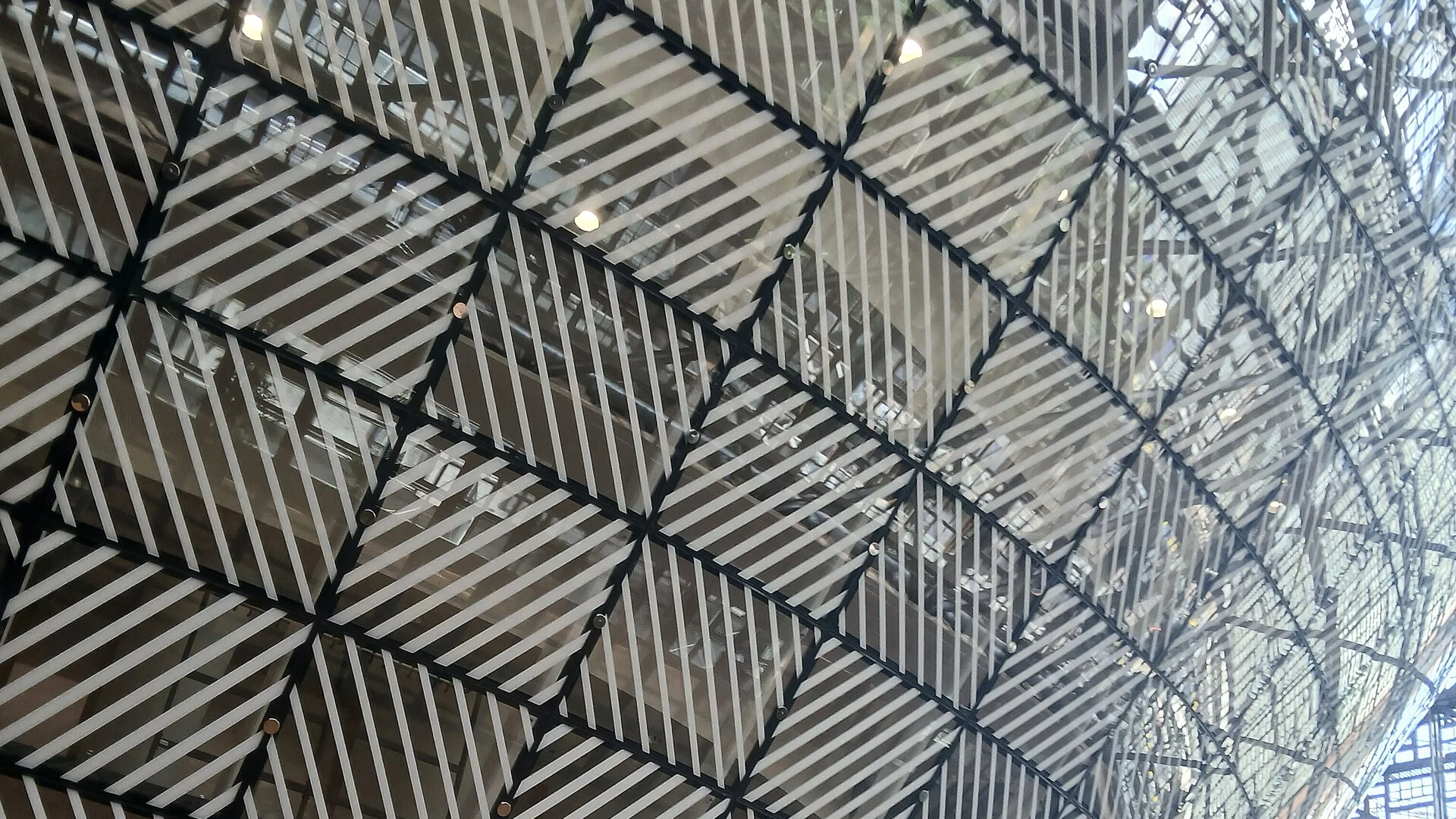
- Cover photo: The Europa building in Brussels, seat of the European Council and venue of the EU-UK summit of 20 November 2026, photographed 24 September 2026 — Photo: FrDr / Wikimedia Commons (CC BY-SA 4.0)