In Istanbul, a Grain Corridor and Generators; At Home, Drones, a Refinery Fire and an Oleshky Evacuation
Ukrainian President Volodymyr Zelensky and Turkish President Recep Tayyip Erdoğan agreed in Istanbul on Saturday to work on a Black Sea grain corridor, while Kyiv sought Turkish energy support ahead of winter. Zelensky said the two leaders discussed ensuring that the corridor operates effectively, and that deliveries of generators and other energy equipment from Türkiye could increase as early as next week. The meeting brought together two urgent strands of Ukraine’s wartime diplomacy: keeping commercial routes open and protecting essential services from further attacks.
The talks also covered energy and infrastructure cooperation. Zelensky said he had met Turkish energy companies and pointed to the potential for joint industrial and economic projects. The announced generator shipments come as Ukraine prepares for continued Russian attacks on its power system. The Ukrainian president’s office described the Istanbul meeting as an important step in practical cooperation; the announcement did not amount to a confirmed ceasefire or a fully restored shipping route.
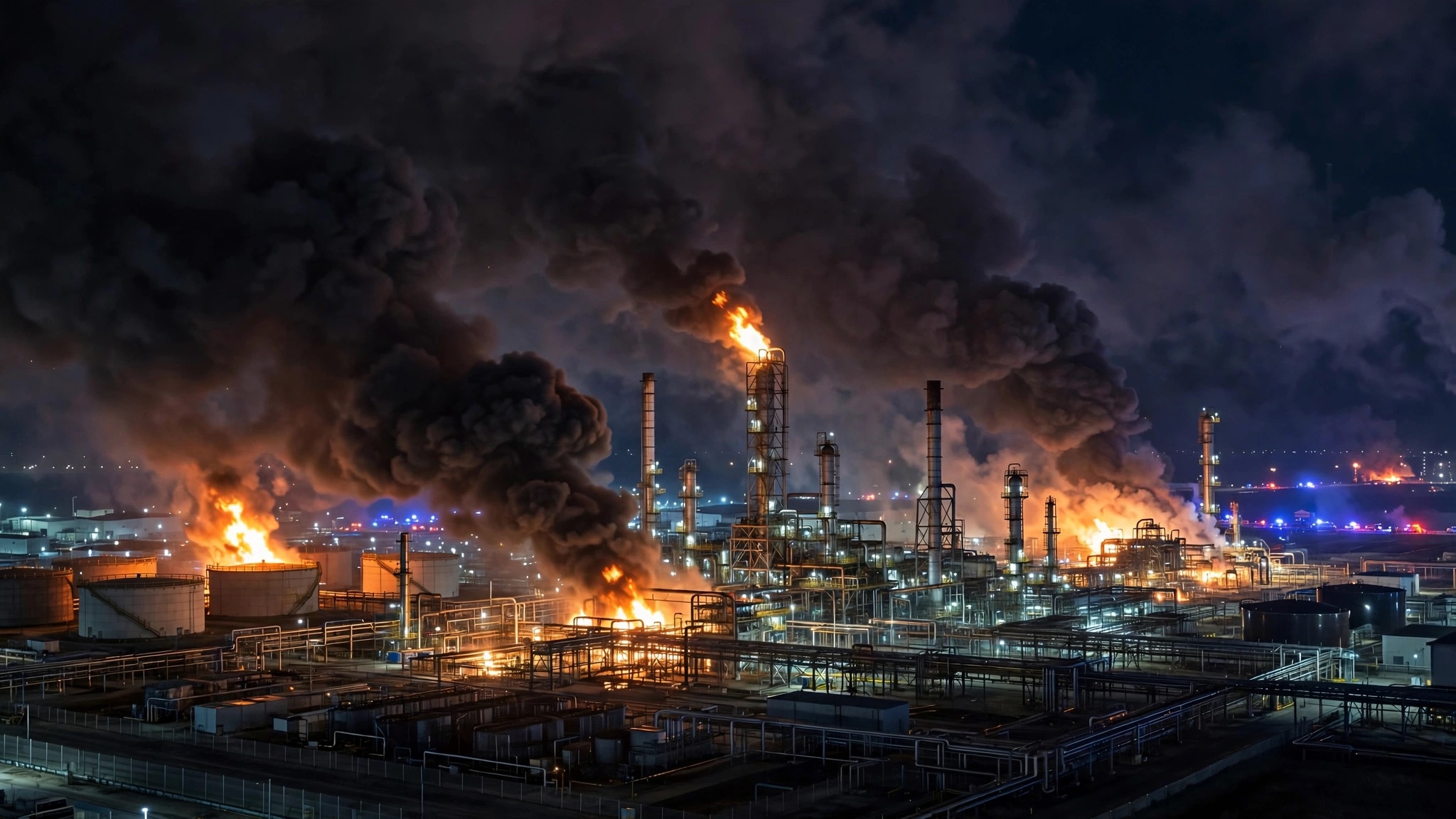
At the same time, a fire was reported overnight at the Lukoil-Nizhegorodnefteorgsintez refinery in Kstovo, in Russia’s Nizhny Novgorod region. Ukrainian outlets reported that drones targeted the facility, while regional governor Gleb Nikitin said air defences had intercepted more than 100 unmanned aircraft over the region and reported no injuries. Images circulated online showed flames at the industrial site, but the extent of damage and any effect on refinery operations had not been independently confirmed by Sunday.
A rare local ceasefire around Russian-occupied Oleshky, in Ukraine’s Kherson region, enabled a humanitarian mission and the evacuation of residents. Evacuees crossed back into Ukrainian-held territory on Saturday after a journey via Russia and Belarus, according to the Associated Press. About 2,000 people were estimated to remain in Oleshky before the operation; that figure describes the town’s remaining population, not the number evacuated. The truce was limited to the humanitarian operation and did not halt fighting elsewhere.
Russian attacks elsewhere continued to underline the strain on Ukraine’s air defences. A Russian drone strike on Dnipro’s railway station on Thursday killed 15 people and injured at least 14, Ukrainian authorities said, with the toll updated in subsequent reporting. On Friday, the U.S. State Department approved a proposed $2.1 billion sale of 500 Patriot interceptors, to be funded by Canada, Germany and Norway. Zelensky welcomed the approval but warned that delivery could take years, so the deal will not address Ukraine’s immediate winter needs.
The developments leave Kyiv managing several timelines at once: efforts to secure a dependable Black Sea route, emergency energy supplies, humanitarian evacuations and longer-term air-defence procurement. Istanbul produced commitments to continue work, rather than a settled corridor or a broader ceasefire. For residents facing another winter of attacks, the practical test will be whether equipment arrives, evacuation routes remain safe and promised diplomatic channels produce results.